

For many people, a cancer diagnosis is a life-changing moment. It can turn life upside down. It may also bring big questions about life, death and meaning.
At times like this, many people turn to their faith or their religious community for support.
But for many LGBTQ+ people with cancer, faith can be complicated. Faith can be a source of comfort, strength and community. But it can also be a place where people have faced hurt or rejection.
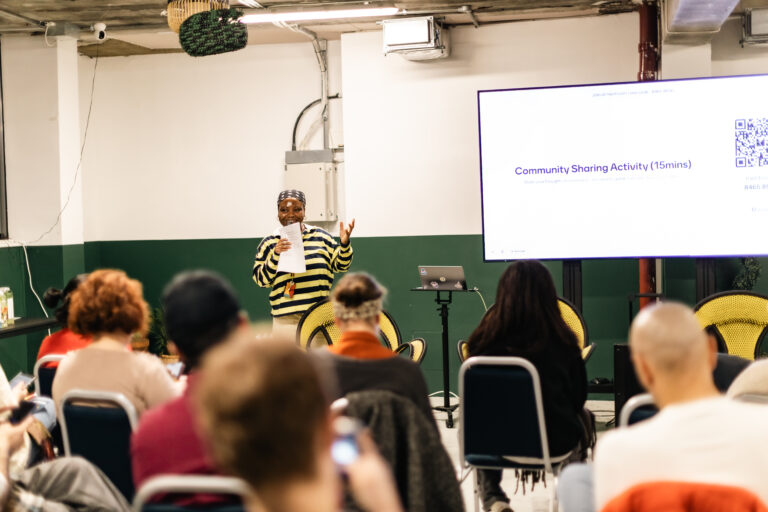
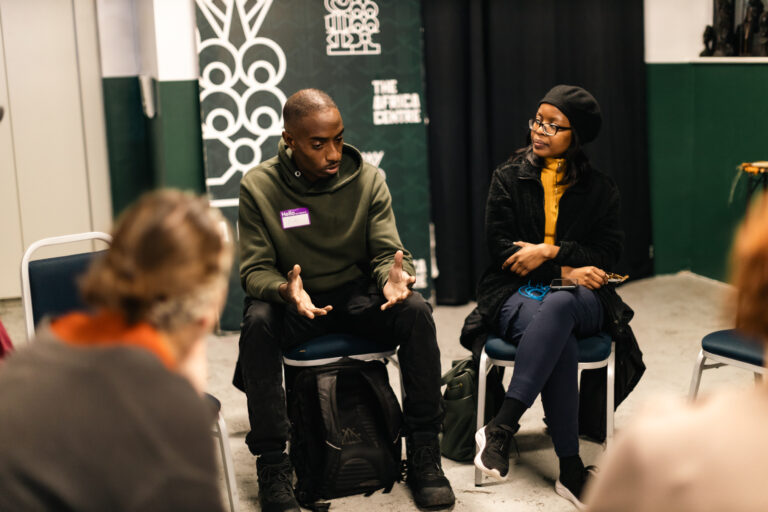
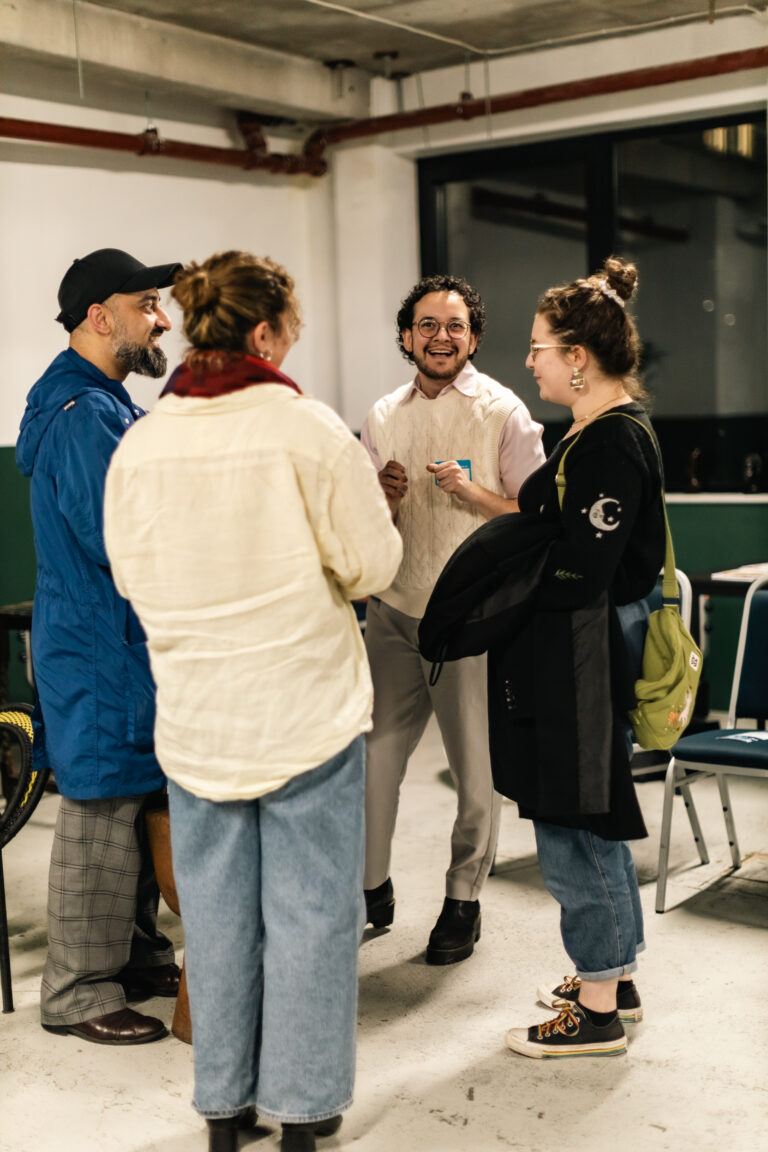
In our first Community Conversation of the year, we brought people from different faith communities together to talk about these complicated experiences. We hope these conversations help people feel heard. We also hope they give us some insights we can use to improve support for LGBTQ+ people of faith who are affected by cancer.
A refuge in times of crisis
Many people said their faith helped them during difficult times in their lives. This included illness, trauma and rejection.
When life felt uncertain, faith gave some people a sense of peace. Some people said their cancer diagnosis shook their faith. Others said it made their faith stronger.
Faith helped people think about the big questions in their lives. It also gave them hope and comfort when things felt very hard.
However, this support is only possible when LGBTQ+ people feel welcome in faith spaces.
Some people shared that they had been rejected by their faith communities because they were LGBTQ+. This loss can be deeply painful. It can also take away an important source of emotional and spiritual support when people are facing serious illness.
That is why it is important that LGBTQ+ people are welcomed and accepted in faith communities. No one should lose this support when they need it most.
Navigating intersectional identities
“I feel too LGBTQ+ for religious spaces, and too religious for LGBTQ+ spaces.”
One clear message from the conversation was that the relationship between faith and LGBTQ+ identity is often complex.
Some people said they faced discrimination in both faith spaces and LGBTQ+ spaces. At times, they felt they had to choose between these parts of who they are.
Some people of colour also spoke about racism and colourism in LGBTQ+ spaces. This can make people feel even more excluded.
This can be especially difficult for people living with cancer. When someone is seriously ill, they need support from their community. This could be practical help, someone to talk to, or simply someone to sit with them.
Research shows that LGBTQ+ people with cancer often feel more isolated than others during treatment.
We must make sure people are not forced to choose between their faith and their LGBTQ+ identity. Communities should create welcoming spaces where people can bring their whole selves.
Silence and stigma around illness
Talking about cancer and serious illness can be hard in any community. In close-knit faith communities, stigma and cultural expectations can sometimes make it even harder.
Some people said illness was hidden because of shame or fear of judgement. One person shared that a relative’s cancer diagnosis was kept secret outside the family. Another person said they were shunned after being diagnosed with HIV and were told it was punishment for their sexuality.
Shame like this can stop people from talking openly about their health. This can lead to more isolation when people most need support.
Some people also spoke about mistrust of medical professionals. Because of this, some people may delay treatment. They may be encouraged to pray, visit spiritual healers or rely on home remedies instead of seeing a doctor.
At the same time, it is important to recognise that this mistrust does not appear from nowhere. People from marginalised groups often face discrimination in healthcare. Many people feel their needs are not understood or respected.
To make sure everyone can get the care they need, we need a broader approach. Faith and medicine do not have to be in conflict.
As one participant said:
“I do believe in miracles. I also believe medicine can be a miracle. The care of people around you can be a miracle.”
Healthcare providers also need to work closely with communities. This includes sharing information in ways that are respectful and culturally aware. It also means addressing discrimination in healthcare.
The role of faith leaders
Faith leaders can play an important role for LGBTQ+ people who are facing illness.
For some people, it felt easier to talk to a faith leader than to a healthcare professional. Faith leaders are often trusted members of the community who can listen and offer support.
Because of this, faith leaders can shape how people understand illnesses such as cancer. They can also help support people who are affected by it.
Supportive and informed leaders can create spaces where people feel safe talking about both their identity and their health. They can challenge harmful interpretations of religious texts. They can also encourage people to seek medical care while offering spiritual guidance.
Helping faith leaders build these skills is an important step toward improving the wellbeing of our communities.
Beyond belief
Faith communities are shaped not only by belief, but also by shared culture, heritage and history. Because of this, they can play an important role in addressing health inequalities.
Some communities have higher risks for certain illnesses. This means it can be very important to create culturally specific spaces where people can talk about cancer and health.
At the same time, the group felt that people from marginalised communities should not carry the burden of change on their own. Public health organisations and charities also need to take action, working closely with faith communities and provide information in ways that respect culture, faith and lived experience.
Looking ahead
It was a privilege to hear from our people from across the LGBTIQ+ and faith communities speak about their experiences. While some issues were specific to individual faith groups, many themes resonated with people of all different backgrounds.
Ultimately, what shone through was the need for spaces where LGBTIQ+ people of faith can feel safe, open, and supported to talk about illness and ask for help when needed.
Faith communities have the potential to be places of refuge during life’s most difficult moments. By building understanding across faith groups, LGBTQ+ organisations and healthcare providers, we can help ensure that everyone has access to the compassion, support and belonging they deserve.
We will be hosting more community events like this throughout the year. Subscribe to our newsletter to make sure you don’t miss them!